
AGV Definition and Typical Applications
AGV is the abbreviation of Automated Guided Vehicle, which is "automatic guided transport vehicle". AGV is equipped with electromagnetic or optical automatic guidance devices and can travel along prescribed guidance paths. It is a transport vehicle with safety protection and various transfer functions.
AGV functions and applications: Everyone is familiar with AGV. Its guidance methods are generally divided into three types: electromagnetic induction guidance, laser guidance, and gyro guidance (magnet). It can automatically complete tasks according to instructions under the supervision of an industrial computer. From the perspective of use, AGV can be divided into assembly type and transportation type. The assembly type is divided into single-lift AGV and double-lift AGV according to different lifting mechanisms. Double-lift AGV is larger in size and occupies a large running track; single-lift AGV is small in size, flexible in movement, and low in cost and maintenance. Due to its strong automation integration and on-site adaptability, AGV is currently widely used in scenarios such as the transportation and processing of raw materials, mobile assembly line applications, tray or storage shelf transportation, fully automatic transportation of finished products, and automated production line connection applications.
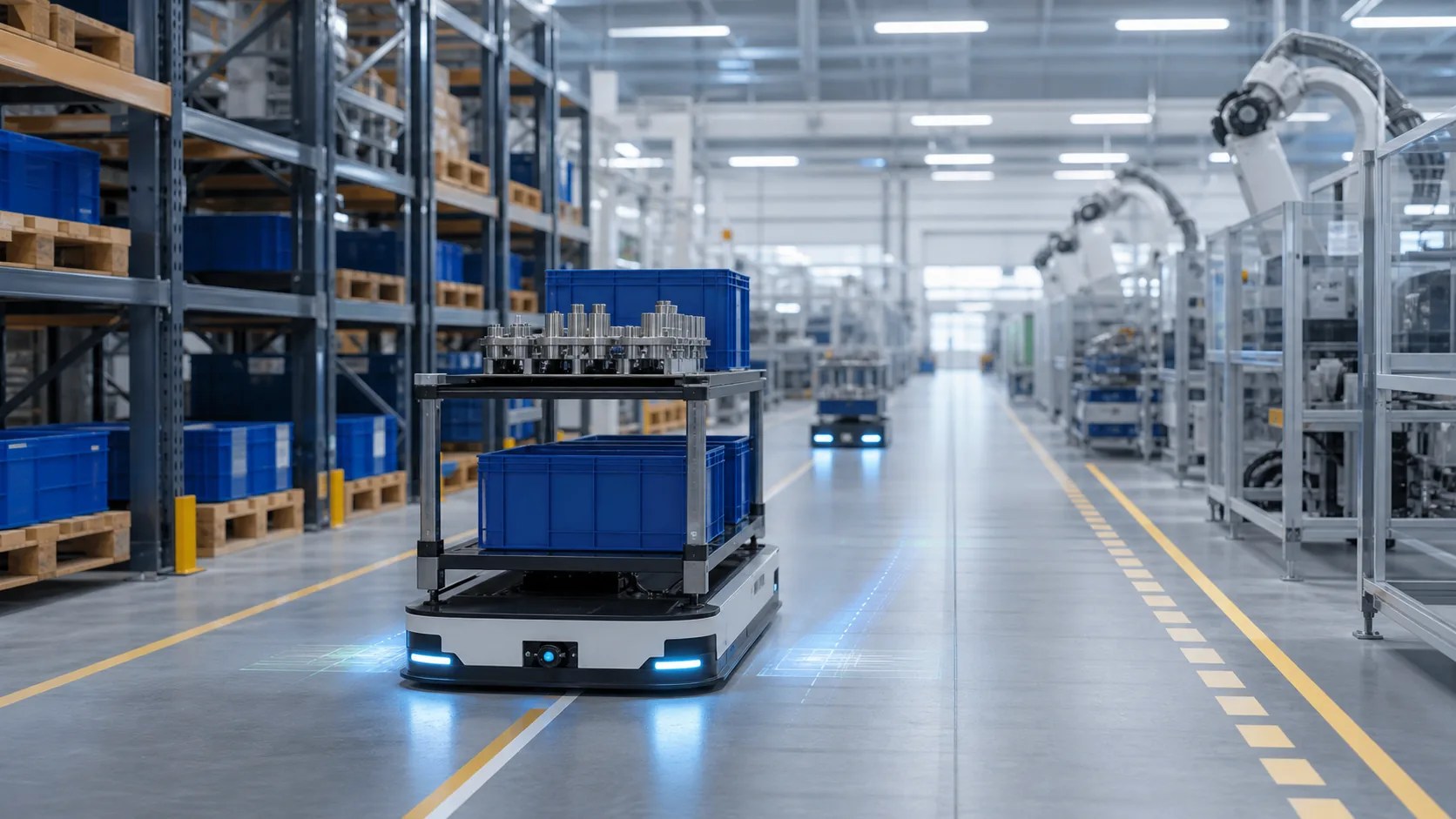
The following are some scenarios for using wireless charging:
High-efficiency work scenarios
● Warehousing and Logistics: In the field of warehousing and logistics, AGVs need to frequently shuttle and transport goods between shelves, which is a heavy task and time-sensitive. Wireless charging technology allows the AGV to charge while performing tasks, that is, "dynamic charging" mode. For example, by laying a wireless power supply transmitting device on a fixed route, the AGV can be charged while walking to achieve 24-hour uninterrupted operation. This greatly reduces the impact of energy supply on AGV operating efficiency and improves the flexibility and efficiency of logistics operations.
● Manufacturing production line: In the manufacturing industry, AGVs are responsible for tasks such as raw material transportation and parts distribution, and need to work closely with the rhythm of the production line. Wireless charging technology can meet various complex and high-intensity work needs on the production line. AGV can automatically go to the charging area for fragmented charging between completing tasks without interrupting the work process, thus improving production efficiency and reducing production costs.
Special environmental scenes
● Clean workshop: In clean workshops such as food and medicine, the requirements for environmental cleanliness are extremely high. The plug-in interface of traditional wired charging methods may produce sparks and contamination risks, while wireless charging avoids these problems and can better adapt to the environmental requirements of clean workshops.
● Harsh environment: In harsh environments such as ports and mines, there are problems such as moisture, dust, and flammable gases. The contactless design of wireless charging can effectively prevent circuit failures caused by moisture and dust, and its safety and stability advantages are obvious. For example, Wireless charging technology has been used in ports, coal mines and other high-humidity, high-salt-spray and dusty environments.
High automation demand scenarios
● Smart factory: In a highly automated smart factory, the operation of AGV requires a high degree of automation and intelligent management. Wireless charging technology can be deeply integrated with the AGV dispatching platform. When the vehicle battery power is lower than the threshold, the AGV independently plans a path to the charging point and achieves millimeter-level precise positioning through laser navigation or visual positioning. Some solutions also support dynamic charging, which means charging is completed when the AGV passes through the charging area at low speed, further reducing downtime and improving the automation level of the entire factory.
● Automated warehousing: In automated warehousing scenarios, AGVs have higher requirements for autonomy and independence. Wireless charging technology enables AGVs to automatically complete the charging process without manual intervention, achieving truly unattended operations.
Equipment maintenance cost-sensitive scenarios
● Large-scale AGV application: When an enterprise uses a large number of AGVs, the traditional wired charging method requires frequent plugging/unplugging of charging cables, which can easily lead to problems such as wear and aging of the charging interface and increase maintenance costs. Wireless charging has no mechanical moving parts, which reduces maintenance work and maintenance costs. Wireless charging can reduce equipment failures caused by mechanical wear, improving AGV service life and operating stability.
● Highly used equipment: For AGV equipment that requires long-term, high-frequency operation, wireless charging technology can reduce downtime caused by charging and improve equipment utilization. At the same time, the charging efficiency of the wireless charging system is relatively stable and can better meet the energy needs of the device.