
Wireless Charging for Switchgear Room Inspection Robots
In the power distribution system and substation operation system, the switchgear room assumes the important responsibility of centralized control and protection of equipment. As the safety and continuity requirements of power systems continue to increase, the traditional model that relies on manual inspections is gradually transforming into automation and intelligence. Switchgear room inspection robots combined with wireless charging technology are becoming an important technical direction for modern power operation and maintenance.
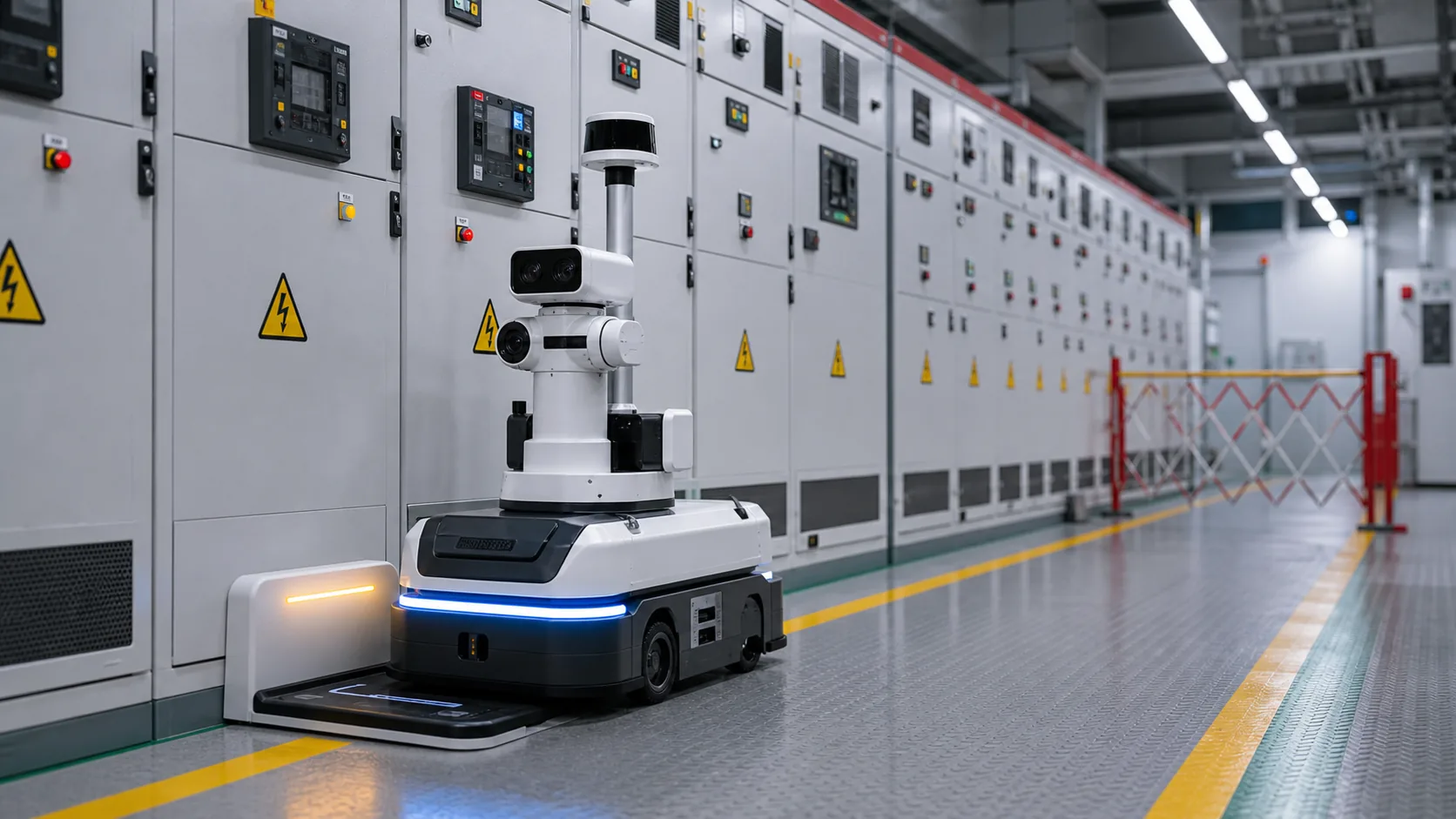
1. Realistic needs for intelligent inspection of switchgear rooms
The switchgear room has many items of equipment that operate for long periods, and the following long-term operation and maintenance pain points exist:
- High frequency of inspections and high labor costs
- Manual entry into high-voltage environments poses safety risks
- Data recording relies on manual labor and lacks continuity and accuracy
- Inspection is more difficult at night or when no one is around
By introducing inspection robots, continuous monitoring of equipment status and automatic data collection can be achieved, providing a reliable basis for operation and maintenance decisions.
2. Core capabilities of the switchgear room inspection robot
Modern switchgear room inspection robots usually have a variety of sensing and intelligent functions, including:
- High-definition image collection and equipment appearance recognition
- Infrared temperature measurement, timely detection of abnormal heating points
- Automatic meter identification and data upload
- Environmental parameter monitoring, such as temperature, humidity, smoke, etc.
- Autonomous navigation and path planning capabilities
These capabilities enable inspections to gradually transform from "manual experience judgment" to "data-driven analysis."
3. Operation and maintenance advantages brought by wireless charging technology
In scenarios such as switchgear rooms that require extremely high safety and stability, Wireless charging is more adaptable than traditional charging solutions.
1. Reduce human intervention
Wireless charging does not require manual plugging or maintenance of contacts. The inspection robot can automatically complete the charging process based on the power status.
2. Improve system reliability
The non-contact power supply method avoids failures caused by dust, moisture or interface aging, and is conducive to long-term stable operation.
3. Electrical safety considerations
A contactless charging interface avoids mating exposed charging electrodes. The complete installation must still meet the applicable electrical safety and EMC requirements, including clearances, protection and safe fault behavior. Compliance cannot be inferred from the charging method alone.
4. The overall value of the wireless charging inspection system
When wireless charging is deeply integrated with the switchgear room inspection robot, significant improvements can be achieved at the operation and maintenance level:
- Realize continuous and standardized inspection process
- Reduce reliance on manual inspections and reduce operation and maintenance pressure
- Improve the timeliness and accuracy of abnormal detection
- Provide long-term data support for power equipment status assessment
At the same time, the system is also easier to connect to existing power monitoring and management platforms, promoting the upgrade of the operation and maintenance model to intelligence.
Wireless charging for switchgear room inspection robots not only solves the problem of inspection automation, but also optimizes energy supply and system reliability. By reducing manual intervention, improving safety levels and enhancing data continuity, this technical solution provides a more stable and sustainable development path for power operation and maintenance. As related technologies continue to mature, their application scope and value will continue to expand.